


“Wellness rooms” are claiming space in many homes
September 28, 2025 | by Rachel Bloom
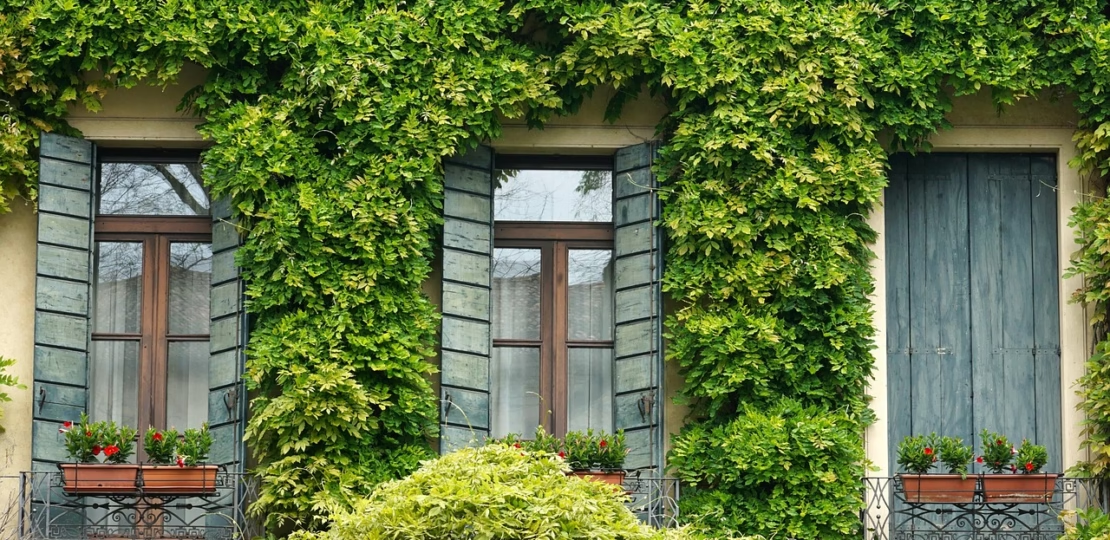
Wellness Rooms: Creating Sanctuary Spaces at Home
In the hustle and bustle of our modern lives, finding a moment of calm is more essential than ever. More people are reclaiming their home spaces as sanctuaries designed specifically for wellness. These “wellness rooms” are emerging as intentional retreats within homes — places dedicated to nurturing mental, emotional, and physical health in ways that truly resonate with the individual. My own journey in holistic health has taught me that environment profoundly influences well-being, and the growing trend of wellness rooms beautifully embodies this insight.
Defining the Wellness Room
A wellness room isn’t just a spare bedroom or a corner with a yoga mat. It’s a thoughtfully curated space with the purpose of fostering relaxation, mindfulness, and rejuvenation. It might be a meditation nook, a mini home spa, a reading sanctuary, or even a creative expression zone. What makes it uniquely powerful is that it’s personalized to your needs — a place where you can press pause and reconnect with yourself.
The Science Behind Space and Well-being
Neuroscience and environmental psychology affirm that our surroundings have a meaningful impact on stress levels, cognitive function, and mood regulation. A cluttered or noisy environment can trigger cortisol spikes, increasing anxiety and restlessness. Conversely, spaces designed with calming colors, natural elements, and soft lighting can promote parasympathetic nervous system activation — the “rest and digest” mode that supports healing and mental clarity.
Elements that Cultivate a Healing Atmosphere
When I advise clients on creating wellness rooms, there are key elements I encourage considering:
- Natural Light & Fresh Air: Exposure to daylight regulates sleep-wake cycles and boosts serotonin production. If a room can open to fresh air, even better.
- Calming Colors: Soft greens, blues, earth tones, or muted pastels tend to soothe the nervous system rather than stimulate it excessively.
- Comfortable Textures: Cushiony floor mats, soft throws, and ergonomic seating invite relaxation and physical comfort.
- Nature-Inspired Elements: Plants, natural wood, and stones help reinforce a connection to the outdoors, which is proven to lower heart rate and blood pressure.
- Intentional Lighting: Adjustable lamps, candles, or Himalayan salt lamps create gentle illumination that supports tranquility.
- Minimal Distractions: Technology can overload the mind, so it’s valuable to create a tech-light zone or include tools for mindful usage only.
Wellness Rooms as Mental Health Anchors
Mental health practices such as meditation, deep breathing exercises, journaling, and gentle stretching flourish in wellness rooms because of their environment. Creating a designated space signals to the brain that this is time carved out for healing and presence. For many of us, it becomes a sanctuary that strengthens resilience against daily stressors.
During particularly challenging periods, I’ve found that simply stepping into such a space recalibrates my mindset. It serves as a physical reminder that rest isn’t indulgence — it’s essential self-care.
Practical Inspirations for Your Wellness Room
Every home and individual circumstance is unique, so your wellness room must reflect your rhythms and remedies. Ideas to consider:
- A cozy corner with floor cushions, books, and soft lighting for mindful reading or reflection.
- A small altar or vision board space holding objects that nourish your soul or inspire gratitude.
- An aromatherapy diffuser paired with calming essential oils like lavender, frankincense, or eucalyptus.
- A yoga and meditation mat with props for personal practice and gentle movement.
- A sound system or speaker for guided meditations, nature sounds, or music you find grounding.
A Gentle Investment With Lifelong Returns
Designing a wellness room is more than a decorative effort; it is a loving investment in your holistic health. While the initial steps may require time and minor expenses, the long-term benefits to your mental clarity, emotional stability, and physical relaxation are profound.
In a world where boundaries between work and home blur, these personal sanctuaries reclaim control and lightness. They are quiet declarations that your well-being matters, and nurturing it is non-negotiable.
May your wellness room become a refuge of peace, a cradle of healing, and a wellspring of intentional living in your home.

RELATED POSTS
View all


“Digital Detox Retreats: Unplugging to Reconnect with Nature
June 16, 2025 | by Rachel Bloom

“The Rise of Wellness Rooms: Transforming Homes into Sanctua
August 1, 2025 | by Rachel Bloom

“Sleepmaxxing: The New Trend in Optimizing Sleep Quality”
October 30, 2025 | by Rachel Bloom