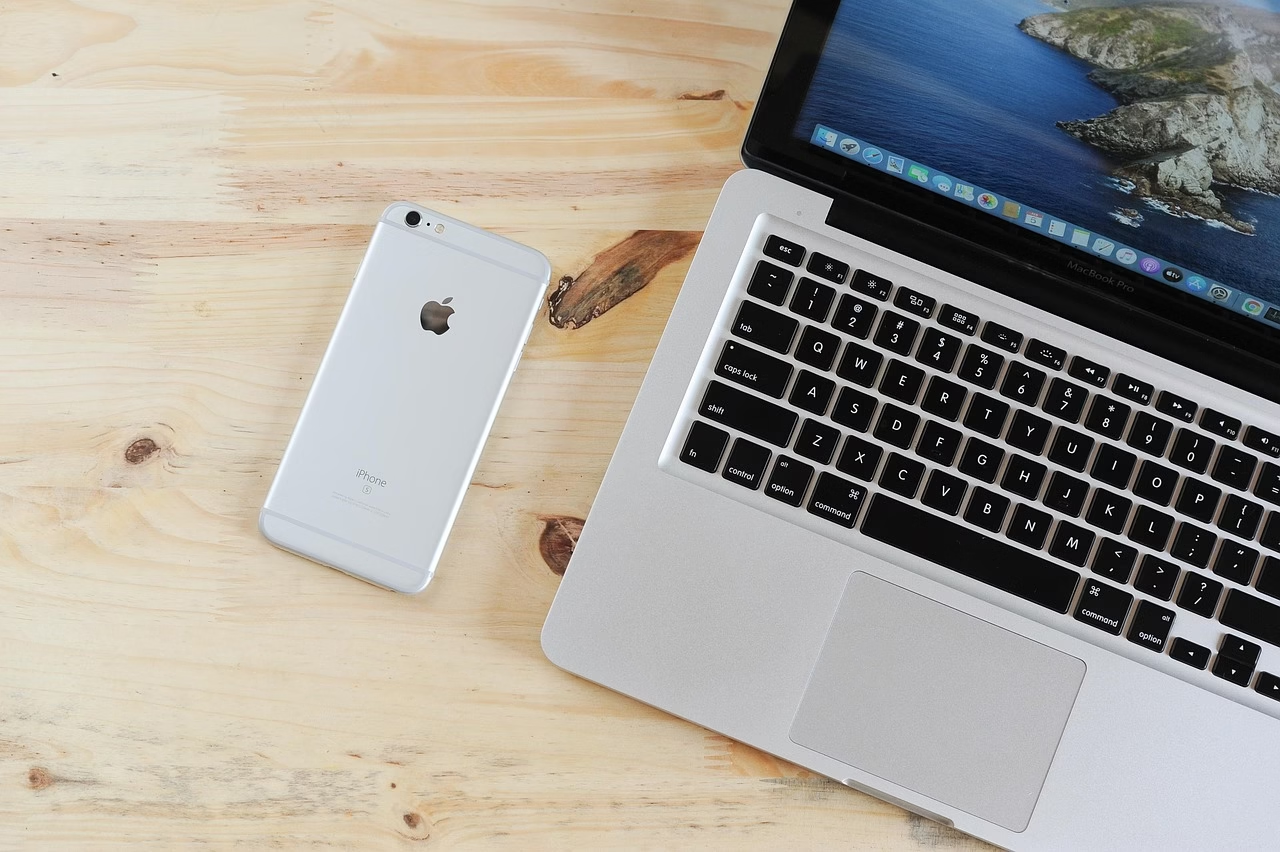
It’s 10 pm on a Tuesday, and your phone buzzes with yet another Slack message from work. Even though your laptop is closed and you’ve mentally checked out hours ago, that ping yanks you back into the digital grind. Welcome to the age of “digital presenteeism” — where the pressure to be constantly connected and available blurs the lines between work and life, leaving many employees exhausted and overwhelmed.
What Is Digital Presenteeism?
Simply put, digital presenteeism is the phenomenon where employees feel compelled to be “online” and responsive outside traditional working hours. Unlike old-school presenteeism, where people physically show up to the office even when unwell or unproductive, digital presenteeism means showing up virtually — always being logged in, replying immediately, and being reachable at every moment.
This concept isn’t just about availability; it’s tied deeply to workplace culture and personal habits, reinforced by instant messaging apps, email, video calls, and cloud-based collaboration. It’s become a silent epidemic. The fear of appearing uncommitted or missing out on crucial info fuels this non-stop connectedness, pushing employees to be digitally “on” 24/7.
The Hidden Cost on Employee Well-being
At first glance, being “always available” might seem like dedication or hustle culture on steroids. But the reality? It’s a massive bite into mental, emotional, and physical well-being. Here’s what digital presenteeism costs employees:
- Burnout and chronic stress: The constant interruptions and lack of clear boundaries deplete energy and focus, causing long-term fatigue.
- Sleep disruption: Late-night notifications or anxiety over unanswered messages often disrupt restful sleep cycles.
- Reduced productivity: Ironically, lowering quality of work due to scattered attention and an inability to fully disengage.
- Work-life imbalance: Relationships, hobbies, and self-care get sacrificed to keep pace in the digital workflow.
- Increased anxiety and emotional strain: Feeling tethered to work anytime saps the joy and peace that come with personal downtime.
Why Does Digital Presenteeism Happen?
It’s a blend of external pressures and internalized expectations:
- Manager expectations: Some leadership teams model or even demand rapid, round-the-clock responsiveness.
- Peer behavior: If everyone seems to be online late into the night, “should I be doing that too?” creeps into your mind.
- Job insecurity: The fear of being replaced or missing out on opportunities pushes people to stay connected.
- Technology itself: The endless barrage of messages, alerts, and meetings readily accessible on your device.
- Personal guilt: Those of us who are high achievers or perfectionists often struggle to switch off for fear of falling behind.
How to Break Free and Reclaim Your Time
Here’s the good news: digital presenteeism isn’t an inevitability. You can set boundaries that safeguard your well-being and sharpen your focus for the work hours that matter most. Start with these actionable moves.
1. Lead your own digital culture
Don’t wait for company-wide policies; start with yourself. Communicate clearly with colleagues and bosses about your availability. Setting “quiet hours” or defining no-response times creates a respectful buffer for everyone.
2. Use tech tools to your advantage
Leverage “Do Not Disturb” modes on your devices. Schedule emails to send during work hours only. Use status indicators on chat apps to signal when you’re focused or offline.
3. Prioritize deep work sessions
Block chunks of time where distractions are minimized — no Slack, email, or notifications. Protect these times fiercely, and watch your productivity soar.
4. Practice self-awareness and self-compassion
Notice when you’re slipping into compulsive checking or anxiety about “missing out.” Acknowledge those feelings without judgment, then consciously choose to step away and reset.
5. Advocate for healthy policies
Workplace change often starts with employee voices. Push for norms like no-email weekends, defined work hours, and leadership modeling healthy digital habits.
The Bottom Line
Digital presenteeism might seem like the new normal, but it’s far from healthy or sustainable. It’s a subtle thief of peace, creativity, and energy — and left unchecked, it chips away at the very productivity it supposedly supports.
By reclaiming control of your digital presence, setting boundaries, and practicing intentional tech use, you can protect your well-being without sacrificing professional success. Remember, your value at work is about the quality you bring, not how glued you are to your screen.
Stand firm, guard your time, and watch how your energy, focus, and satisfaction skyrocket. Because true productivity thrives in balance, not burnout.