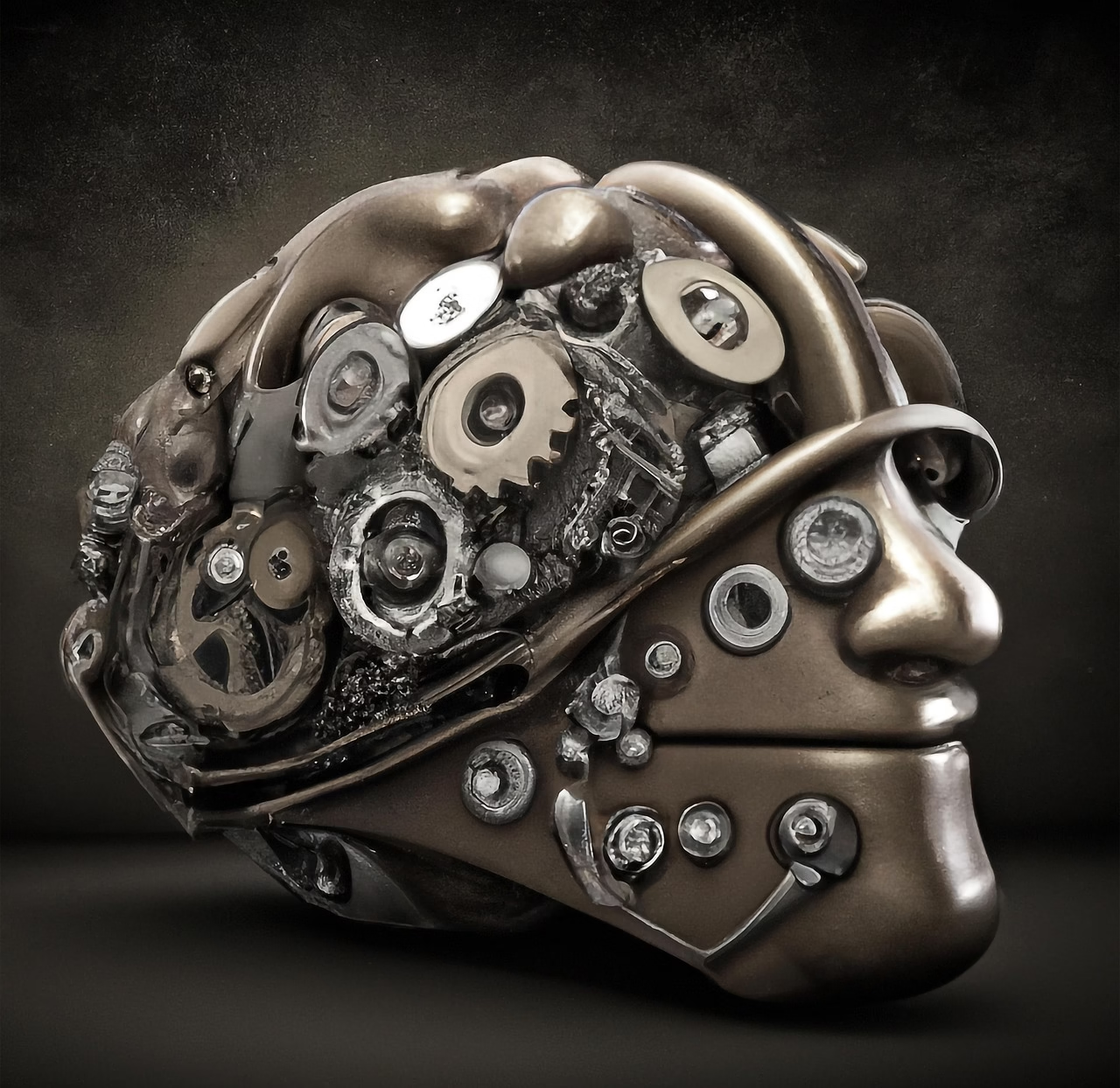
AI-Powered Robotics: Transforming Industries with Autonomous Machines
In the evolving landscape of technology, the integration of artificial intelligence with robotics is no longer a futuristic dream but an active reality reshaping how industries operate. As someone deeply invested in practical AI innovations, I see a clear trend: autonomous machines are becoming indispensable collaborators in sectors ranging from manufacturing to healthcare. This synergy between AI and robotics is not just about automation — it signifies a profound transformation in efficiency, decision-making, and safety across the industrial spectrum.
The New Age of Industrial Robotics
Traditional robotics revolutionized manufacturing by strengthening precision and consistency. However, these systems typically required rigid programming and operated within tightly controlled environments. Enter AI-powered robotics – machines equipped with capabilities like computer vision, natural language processing, and adaptive learning. These features enable robots to navigate complex, unstructured settings and respond intelligently to dynamic situations.
This difference is fundamental. While conventional robots excel at repetitive tasks, AI-enhanced robots think on their mechanical feet. They can detect anomalies, optimize workflows in real time, and collaborate safely alongside human workers. The result is an intelligent workforce multiplier rather than a simple replacement for human labor.
Sector-Wide Transformations Driven by Autonomy
Each industry benefiting from AI-powered robotics showcases unique applications that highlight the technology’s versatility and value:
- Manufacturing: Smart robots monitor equipment health, reducing unexpected downtime through predictive maintenance, and perform intricate assembly tasks with adaptive precision.
- Healthcare: Autonomous robots assist in surgeries with unparalleled dexterity, deliver medications within hospitals, and monitor patient vitals, thereby freeing human practitioners for more nuanced care.
- Logistics and Supply Chain: From autonomous warehouse robots optimizing inventory retrieval to drones facilitating last-mile delivery, AI-infused machines are streamlining supply networks and accelerating fulfillment.
- Agriculture: AI-guided drones and robots analyze soil quality, manage crops, and automate harvesting, driving sustainability and yield improvement amid climate challenges.
Ethical and Practical Considerations
With great power comes great responsibility. The rise of autonomous machines mandates rigorous attention to ethical design and safety protocols. Transparent decision-making algorithms, data privacy safeguards, and fail-safe mechanisms are not just technical niceties — they embody trustworthiness essential for widespread adoption.
Moreover, the collaboration between humans and robots requires thoughtful integration. Rather than viewing AI-powered robots as job usurpers, industries should emphasize upskilling the workforce to create synergistic environments where human creativity and machine precision complement each other.
“AI-powered robotics invites us to rethink industrial labor—not as a zero-sum game between humans and machines, but as a partnership unlocking new levels of innovation and productivity.” — Olivia Sharp
Looking Ahead: The Autonomous Revolution
As AI capabilities continue to advance, future autonomous robots will become increasingly intuitive, mobile, and interconnected. Edge computing and 5G networks are already enabling near-instantaneous data processing, allowing robots to make faster, smarter decisions on the ground. The vision of factories, hospitals, and farms operating with fleets of collaborative robots is swiftly becoming a tangible asset rather than a speculative pursuit.
The challenge—and opportunity—is to ensure that this transformation remains aligned with human values and societal needs. Responsible innovation, combined with practical implementation, can harness the power of AI-powered robotics to usher in an era marked by greater efficiency, safety, and creative potential.