“Hybrid Work 2.0: How Dynamic Office Designs Are Boosting Po
September 17, 2025 | by Ethan Rhodes
Hybrid Work 2.0: How Dynamic Office Designs Are Boosting Post-Pandemic Productivity
There’s no doubt about it — the way we work shifted dramatically during the pandemic, and offices stood at the heart of that transformation. But now, as we settle into what many are calling the era of Hybrid Work 2.0, office spaces themselves are evolving into much more than just desks and chairs. They are becoming dynamic, adaptable environments that fuel creativity, focus, and collaboration in ways we haven’t seen before.
The Evolution Beyond the Pandemic Haze
In the early days of Covid-19, the scramble to remote work was all about survival and continuity. Fast forward a few years, and organizations are no longer settling for just “getting by.” Hybrid work has become a strategic advantage — a formula that lets employees flex between working from home and engaging in the office environment. But for hybrid to truly succeed, the office itself needed to reshape, pivoting from static to dynamic.
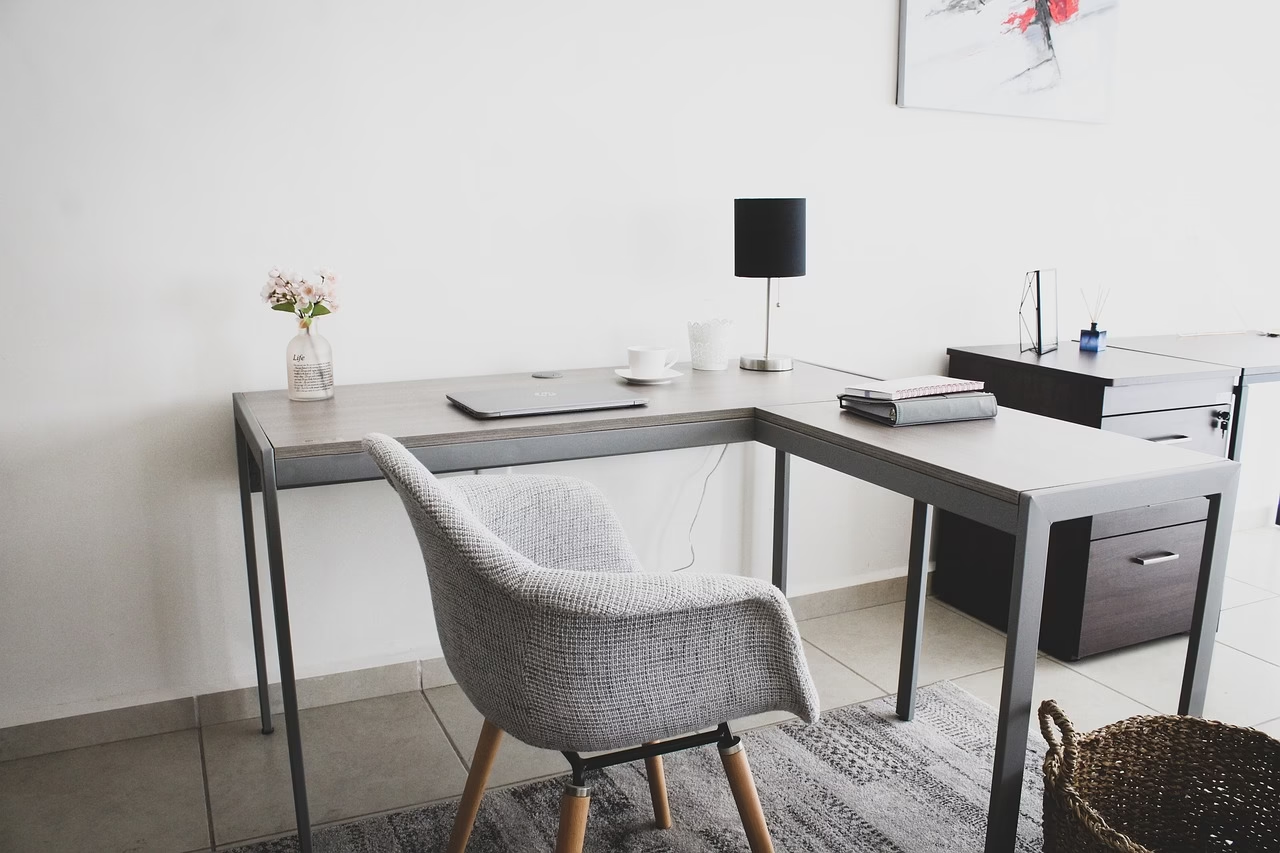
This means traditional rows of cubicles give way to a tapestry of purpose-driven zones — places designed for heads-down work, spaces meant for energetic brainstorming, and cozy nooks where quiet reflection can happen. The modern office has grown up—it’s not a trap of routine, but a stage for inspired productivity.
Designing for Dynamism: Key Features Driving Productivity
- Activity-Based Zones: Employees no longer sit at one spot all day. Instead, they choose a setting that matches their task—whether that’s a private pod for focused deep work or an open, lounge-style area for interactive team sessions.
- Technology-Infused Spaces: Seamless transitions between remote and in-office work are powered by advanced tech setups that support hybrid meetings, screen sharing, and real-time collaborations without a hitch.
- Nature and Wellness Elements: Biophilic design—bringing plants, natural light, and calming colors indoors—has been proven to reduce stress and boost cognitive function, creating a workspace that nurtures well-being as much as productivity.
- Flexible Furniture: Movable desks, convertible chairs, and adjustable lighting offer employees a sense of control over their environment, letting them tailor their workspace to their preferences on the fly.
Why Dynamic Designs Work: Getting Personal
From my experience coaching professionals and optimizing workplaces, productivity isn’t just about the amount of hours put in—it’s about the quality of those hours. Dynamic office designs acknowledge that human energy ebbs and flows throughout the day and that different tasks demand different environments.
One client I work with revamped their office into modular zones and implemented “choose your workspace” policies. The result? Teams were reporting a fresh spark in collaboration, reduced burnout, and a noticeable lift in creative output. People were no longer fighting against their surroundings — they owned them.
This matters because when employees feel empowered to pick spaces that resonate with their current mindset or task, they enter a state of flow more easily. It’s that simple, but so impactful.
Actionable Tips for Embracing Your Own Hybrid Work 2.0 Space
If you’re looking to level up your productivity through environment tweaks, here’s what you can implement—whether in an office or your home setup:
- Create Zones for Different Mindsets: Even in a small space, designate areas for focused work, quick meetings, and rejuvenation—use furniture or visual cues to make the distinctions clear.
- Invest in Adaptable Tools: A good pair of noise-cancelling headphones, adjustable lighting, and ergonomic seating can transform your productivity instantly.
- Bring Nature Inside: A few plants or even photos of green spaces can reenergize your mental state and enhance focus.
- Use Technology Smartly: Stay fluid between in-person and remote collaboration by mastering video tools, shared digital whiteboards, and cloud-based project management.
To Wrap It Up
Hybrid Work 2.0 symbolizes more than a schedule or policy shift—it’s a mindset shift backed by physical space evolution. Dynamic office designs aren’t just pretty setups; they are productivity engines designed to align with how people truly work, live, and thrive today.
If you want to keep pace with the ever-changing demands of modern work, start seeing your workspace as a strategic asset. Make it flexible, human-centered, and infused with innovation. The result? A workday filled with more energy, creativity, and accomplishment than you imagined possible.

RELATED POSTS
View all